
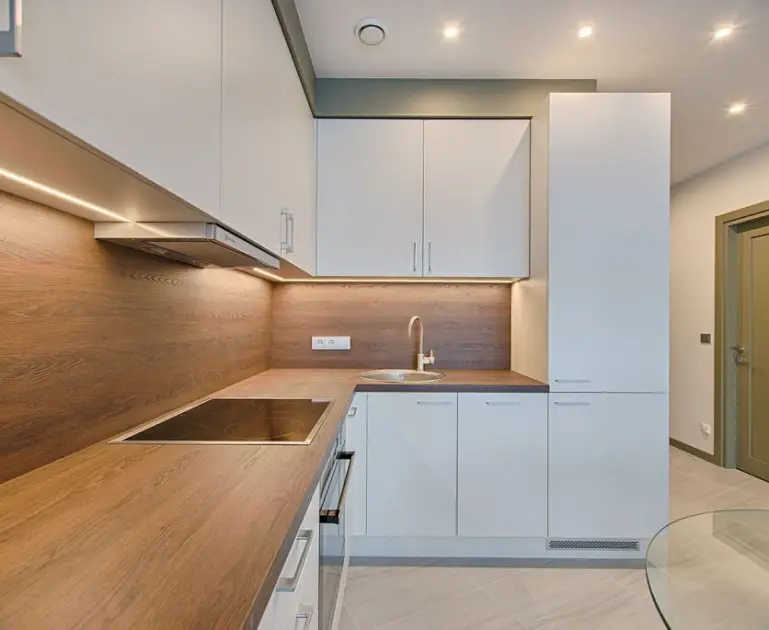
Cost per Square Metre
Per-square-metre pricing can help with early planning, but it should never be treated as the final answer because different houses hide very different levels of risk.
- Cosmetic-led works: may sit closer to $1,500-$2,500 per m2 when the layout largely stays intact.
- Comprehensive owner-occupier renovation: often falls around $2,500-$4,500 per m2.
- Structural or premium transformation: can exceed that range once extensions, custom joinery, premium wet areas or major service upgrades are involved.
A weatherboard with ageing services, uneven floors and multiple wet areas behaves very differently from a newer home getting mostly cosmetic improvement. That is why whole-home budgets should be tested by room type and risk, not just by total area.
Example Renovation Scenario Table
| Home Type | Typical Scope | Budget Shape | Common Risk |
|---|---|---|---|
| Apartment cosmetic refresh | Finishes, lighting, joinery updates, limited wet-area change | Lower per-room complexity but tighter access logistics | Body-corporate rules and access restrictions |
| Family weatherboard upgrade | Kitchen, bathrooms, flooring, storage, partial layout change | Mid-range to high depending on services and structure | Old services, uneven floors, hidden framing issues |
| Structural open-plan transformation | Walls removed, openings changed, wet areas rebuilt, custom joinery | High due to engineering, sequencing and premium finish stacking | Scope expansion and approval complexity |
Whole-home budgets make more sense when they are compared as scenarios like these instead of being reduced to one blended rate.
Where the Money Usually Goes
Whole-home budgets are rarely spread evenly. Wet areas and structural changes absorb disproportionate cost because they combine materials, compliance and dense trade activity.
- Kitchens and bathrooms: often consume 40% to 50% of total spend.
- Electrical, plumbing and mechanical services: typically become more expensive once walls and ceilings are opened across multiple rooms.
- Flooring, painting and patching: may look secondary on paper, but they add up quickly across the entire house.
- Joinery and storage: frequently expand late in the project because owners realise they want better function in more rooms.
A strong whole-home budget is usually built by itemising high-risk rooms first, then layering the simpler rooms around them.
Structural Scope vs Cosmetic Scope
The gap between a cosmetic renovation and a structural renovation is not subtle. Once walls move, windows change, rooflines shift or openings are enlarged, the job picks up engineering, permit and sequencing requirements that transform the cost structure.
- Cosmetic works: paint, flooring, internal finishes, non-structural joinery and fixture replacement.
- Structural works: removing walls, altering framing, changing openings, redistributing loads or extending the envelope.
Cosmetic updates can deliver strong value and a major visual change. Structural works are justified when they solve flow, light, storage or long-term family-use problems that cosmetic works cannot fix.
Permits, Fees and Scope Expansion Risk
Permit and consultant costs are easy to under-budget because they are often discussed late, after the design direction is already emotionally locked in.
- Building permits, planning permits and surveyor involvement can add thousands.
- Engineering, energy or consultant input may be needed depending on scope.
- Insurance, waste handling, temporary protection and site logistics also add up on larger projects.
Across a full-home renovation, scope expansion is the bigger risk than any one consultant fee. Owners often start with a kitchen-and-painting mindset, then add wardrobes, laundry joinery, lighting upgrades and additional bathrooms once the project is already underway.
Phasing, Living Costs and Timeline Reality
Whole-home renovations typically stretch well beyond room-based projects because the household must decide whether to stage the work or vacate.
- Single-stage renovation: Often faster overall, but requires stronger up-front capital and may require temporary relocation.
- Phased renovation: Can spread cost, but usually increases total duration and can repeat setup and protection costs.
- Typical duration: Often 3-6 months, sometimes longer where structural scope or approvals are involved.
Programme planning should include rent, storage, temporary living arrangements and the real productivity cost of trying to live through major site works.
How to Build a Smarter Whole-Home Budget
The most useful budgeting method is to split the project into decision groups rather than chasing one grand total too early.
- Price wet areas and kitchen first because they carry the highest density of cost.
- Separate structural scope from cosmetic upgrades.
- Create a contingency for existing-condition surprises, not just design changes.
- Decide early which rooms truly need custom joinery or premium finishes.
- Stage optional upgrades so they can be added later if budget remains healthy.
That approach gives you a renovation budget that can survive real site discovery instead of collapsing as soon as the first wall is opened.
Key Takeaways
- Per-square-metre rates are only a starting point because room type and site risk matter more than floor area alone
- Kitchens, bathrooms and services usually dominate whole-home renovation budgets
- Structural changes shift the project into a very different cost and approval category
- Phasing can help cash flow but often increases duration, disruption and repeated setup costs
- Whole-home budgets perform better when priced by risk group instead of one blended total
Questions Homeowners Usually Ask Next
How much contingency should I allow on top of a renovation quote?
A contingency is usually sensible because hidden site conditions, service upgrades and late product changes can all affect final cost once work opens up.
Should I finalise fixtures and finishes before signing a renovation contract?
As much as possible. The more major decisions that are locked before construction starts, the lower the risk of variations, delays and mismatched allowances.
What usually causes renovation delays?
Lead times, scope changes, permit lag, hidden structural issues and poor trade coordination are the most common causes. Most delays happen before or between trade stages, not during demolition alone.
Use This Article With Related Reading
Connect this advice to the delivery page that matches the renovation scope.
Read adjacent guides in the same decision stage to avoid thin, one-page planning.
Pair planning content with finished renovation visuals before locking scope and finishes.
Ready to Start?
If you are planning a whole-home renovation, the smartest first step is a scope-led budget, not a rough square-metre guess. Request a full-home renovation estimate.